
Bachelor of Fine Arts with a Major in Art, General Fine Art
The BFA Program in General Fine Art is considered to be the professional degree for those students interested in graduate school or pursuing other career opportunities in the visual arts. The intensity of this degree results in students becoming proficient in a specific studio area while augmenting it with studio areas outside their concentration.
For more information, please see the Academic Catalog. Also consult the program map, which provides a guide for students to plan their course of study.
Career Opportunities
Link to Additional Career Information:
https://www.buzzfile.com/Major/Graphic-Design.And.Commercial-Art External Resource
Program Location
Carrollton Campus
Method of Delivery
Face to Face
Accreditation
- The University of West Georgia is accredited by The Southern Association of Colleges and Schools Commission on Colleges (SACSCOC).
- This program is accredited by the National Association of Schools of Art & Design (NASAD).
Credit and transfer
Total semester hours required: 120
Program Location
Carrollton Campus
Method of Delivery
Face to Face
Accreditation
The University of West Georgia is accredited by The Southern Association of Colleges and Schools Commission on Colleges (SACSCOC).
Credit and transfer
Total semester hours required:
This program may be earned entirely face-to-face. However, depending on the courses chosen, a student may choose to take some partially or fully online courses.
Save money
UWG is often ranked as one of the most affordable accredited universities of its kind, regardless of the method of delivery chosen.
Details
- Total tuition costs and fees may vary, depending on the instructional method of the courses in which the student chooses to enroll.
- The more courses a student takes in a single term, the more they will typically save in fees and total cost.
- Face-to-face or partially online courses are charged at the general tuition rate and all mandatory campus fees, based on the student's residency (non-residents are charged at a higher rate).
- Fully or entirely online course tuition rates and fees my vary depending on the program. Students enrolled in exclusively online courses do not pay non-Resident rates.
- Together this means that GA residents pay about the same if they take all face-to-face or partially online courses as they do if they take only fully online courses exclusively; while non-residents save money by taking fully online courses.
- One word of caution: If a student takes a combination of face-to-face and online courses in a single term, he/she will pay both all mandatory campus fees and the higher eTuition rate.
- For cost information, as well as payment deadlines, see the Student Accounts and Billing Services website
There are a variety of financial assistance options for students, including scholarships and work study programs. Visit the Office of Financial Aid's website for more information.
General
18 Hours
An introductory course dealing with the elements and principles of composition as they relate to the two-dimensional areas of the visual arts. For advising purposes, the Department of Art recommends that students take Design I (ART 1006) in conjunction with Drawing I (ART 1007).
Introduction to drawing using various media and dealing with landscapes, still-life, one- and two-point perspective, and the figure. Both clothed and nude models may be used. For advising purposes, the Department of Art recommends that students take Design I (ART 1006) in conjunction with Drawing I (ART 1007).
Drawing from the live model, both nude and clothed, focusing upon correct proportions and anatomy. A variety of drawing media will be used. For advising purposes, the Department of Art recommends that students take Design II (ART 1008) in conjunction with Drawing II (ART 1009).
An introductory course dealing with the elements and principles of composition as they relate to the three-dimensional areas of the visual arts. For advising purposes the Department of Art recommends that students take Design II (ART 1008) in conjunction with Drawing II (ART 1009).
Studio Impacts I is the first course in a sequence of a year long exploration of what it means to think, work, and grow as a contemporary artist. Students will develop essential skills that prepare them for all disciplines in the visual arts
Studio Impacts II is the second course in a sequence of a year-long exploration of what it means to think, work, and grow as a contemporary artist. Students will develop essential skills that prepare them for all disciplines in the visual arts.
An introduction to art and architecture as social products of a global human history. Both the comparability and diversity of human social organizations and the role of visual culture in them will be discussed. From the Prehistoric through the Gothic era in Europe. Lecture/discussion format.
An introduction to art and architecture as social products of a global human history. Both the comparability and diversity of human social organizations and the role of visual culture in them will be discussed. From the Early Renaissance in Europe to the present. Lecture/discussion format.
Major Selects
Select one: ART 3302 or Art 4303 Select one: ART 3602 or ART 4604 Select one: ART 3700, ART 3702, ART 3703, ART 3704, or ART 3705 Select one: ART 3802, ART 4803, or ART 4804 Select one: ART 3902 or ART 3903 Select two: ART 4304, ART 4605, ART 4706, ART 4805, ART 4904 (and) ART 4078, ART 4998, ART 4999
This is an intermediate course that provides students the opportunity to expand their technical skills, experience and critical thinking skills through the completion of a series of process specific projects. Each project requires research, an oral presentation and the production of personally derived artwork that utilizes the given process/technical information and reflects the assigned research.
This course is designed to introduce students to a comprehensive investigation of the history of photography through study and production. Situated as an integral part of communication, photography is a medium that fundamentally impacts our daily lives and culture. This course explores the technical innovations, cultural implications, and the major figures in photography s history. Students will learn the subject by working hands-on with historic photographic darkroom processes as well as learn about the subject through lectures, readings and exams.
This course covers the use of analogue 35mm film cameras, traditional darkroom methods of image-making and analogue/digital hybrid processes. Conventional genres of image making such as still life, portraiture, and landscape are used as a means to explore contemporary issues. The course stresses continued development of a personal visual vocabulary and understanding of historical and cultural implications.
This course explores digital manipulation of imagery as a post-production process. Exercises explore various strategies for reconfiguring imagery and what the reconfiguring does to the meaning of imagery. Selected readings and discussions aid in the discussion/understanding on/of these topics. The course also stresses continued development of personal visual vocabulary and understanding of historical and cultural implications.
This course introduces the basic principles of current digital video and audio technology as a means of making time-based art. Traditional production techniques in cinematography, audio recording, non-linear editing, and lighting are taught. Students learn to work within a number of different genres including, documentary, narrative, experimental, and cross-genres. Weekly screenings of films and videos, assigned readings, and accompanying discussions will serve as a means to broaden students? critical and theoretical understanding of the mediums. Can be taken instead of ART 3702 (Photo II)
This course provides students with an introduction to artificial lighting for photography and video. Students will learn the fundamentals of artificial lighting and its application through demonstrations, weekly assignments, and readings. Students will complete a series of assignments in and outside of the photography studio using lighting techniques to achieve conceptual and aesthetic goals.
Relief Printmaking offers intermediate experiences in relief printmaking (linocut, woodcut, letterpress) including the introduction of color and exploration of a variety of techniques such as multi-block and reductive, as means to develop an individual approach to artmaking.
Emphasis on this course is on acquiring technical skills and learning the safe and appropriate use of tools and materials in the fabrication of sculptural objects. Course also addresses the impact of material and technique upon form and content with the use of mass, space and volume.
Emphasis of this course is on acquiring technical skill and learning the safe and appropriate use of tools and an expanded view of traditional and nontraditional materials in the fabrication of sculptural objects. Students will expand individual visual, vocabulary, technique, media and concepts through research, design and construction.
All BA and BFA candidates must enroll and successfully complete ART 4078. (See department website for specific requirements for ART 4078). Art faculty will review juniors based on their portfolio, writings, presentation and transcript progress. Candidates will be assessed on the level of knowledge and skill base gain to date. Successful candidates will be allowed to enroll into their respective capstone courses (ART 4298 or ART 4998). Course May be repeated up to two additional times. Unsuccessful review on the third attempt may result in candidates being placed on probation or removed from their degree program. ART 4078 must be taken during a semester when the student is enrolled in 12 credit hours.
Intermediate Ceramics - Surface, Image and Text is a process premised intermediate course that provides students the opportunity to expand their technical skills, experience and critical thinking skills through the completion of a series or process specific projects. Each project requires research, an oral presentation and the production of personally derived artwork that utilizes the given process/technical information and reflects the assigned research.
An intermediate level painting course exploring visual expression through the integration of experimental painting practices.
An advanced level course exploring visual expression in painting using the media of the student's choice. Open-ended problems will be presented. Self-directed work with special focus on developing a cohesive work of work that reflects the student's investigation of their role and definition of being an artist. Emphasis will be placed on increased professionalism appropriate to the student's stage in the program and with a view to their potential success as a professional artist. This course is repeatable for up to 15 credit hours.
Contingent on the approval of the instructor, the student will define a series of works delving into specific subject matter and/or technical interests. This course is meant to further the direction of the individual and prepare them for their senior exhibitions. May be repeated up to 15 credit hours.
Advanced-intermediate experiences in intaglio processes with the introduction of soft ground, spit bite aquatint, and photo-etching. An emphasis on color, multiple plate registration and development of individual imagery within the methods of intaglio printing.
Introduction to the history, processes, and printing of the traditional limestone and aluminum plate. The development of personal imagery will utilize lithographic methods ranging from the traditional through the contemporary.
Advanced Printmaking focuses on refining personal aesthetic and technical skills in any of the printmaking methods or combination of methods, traditional or experimental. Students move beyond basics to explore complex techniques and conceptual depth, discuss issues in contemporary printmaking and investigate professional practices, produce a cohesive portfolio and artist statement. May be repeated up to 15 credit hours.
This course focuses on advanced sculptural investigations and individual expression with traditional and nontraditional materials chosen by the student. Students demonstrate significant research in process, technique and materials to express individual ideas and aesthetics resulting in a portfolio of works. May be repeated up to 15 credit hours.
Research and study within a studio concentration that culminates in the public presentation of the senior exhibition (ART 4899: Senior Capstone II). Students will be required to research this project and document its development prior to the presentation of the written capstone component. With the aid of their peers, advisors and faculty jurors' students will work through the articulation of their goals by active critiquing and self-assessment.
Continued research and advanced study within a studio/design concentration will culminate in the public presentation of the senior exhibition. Capstone Experience II will provide an opportunity to consolidate, expand and refine the skills that are essential to your discipline. The preparation of an oral defense for this final body of work, their creative thesis visual project, will undergo the critical review of an Art Faculty Committee prior to its public presentation in the Senior Fine Arts Exhibition. Additionally, the completion of the written component of the creative visual project, begun in ART 49XX, Capstone Experience I, will describe in full the processes and the outcomes of the senior research.
David Collins, M.F.A.
Professor of Art: Ceramics-All Levels
Erin Dixon, M.F.A.
Senior Lecturer of Art: Drawing Art Foundations & Painting
Jennifer Horne
Limited-Term Lecturer
Cynthia Lollis, M.F.A.
Lecturer of Art: Printmaking & Foundations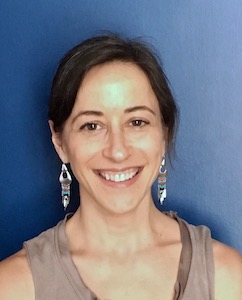
Maria Lundin, M.A.
Lecturer of Art: University Core & Art History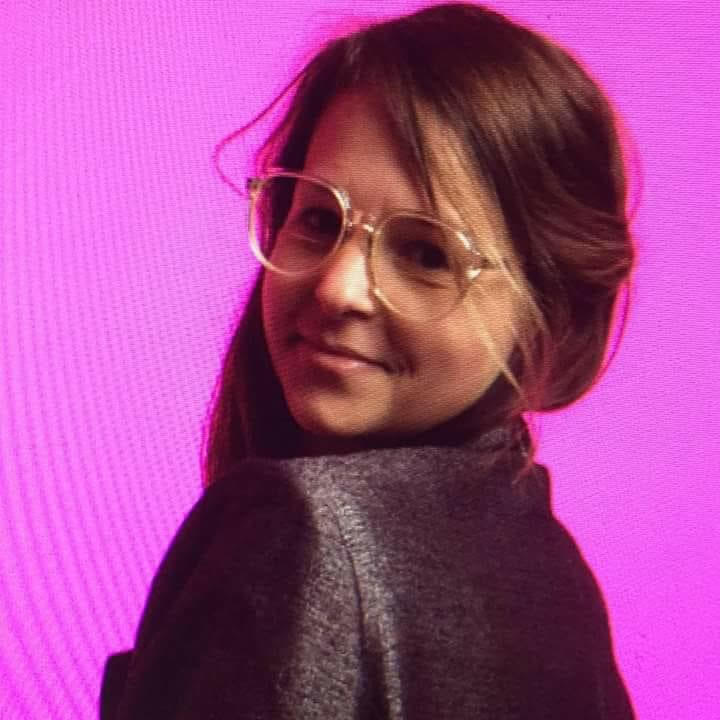
Casey McGuire, M.F.A.
Professor of Art: Foundations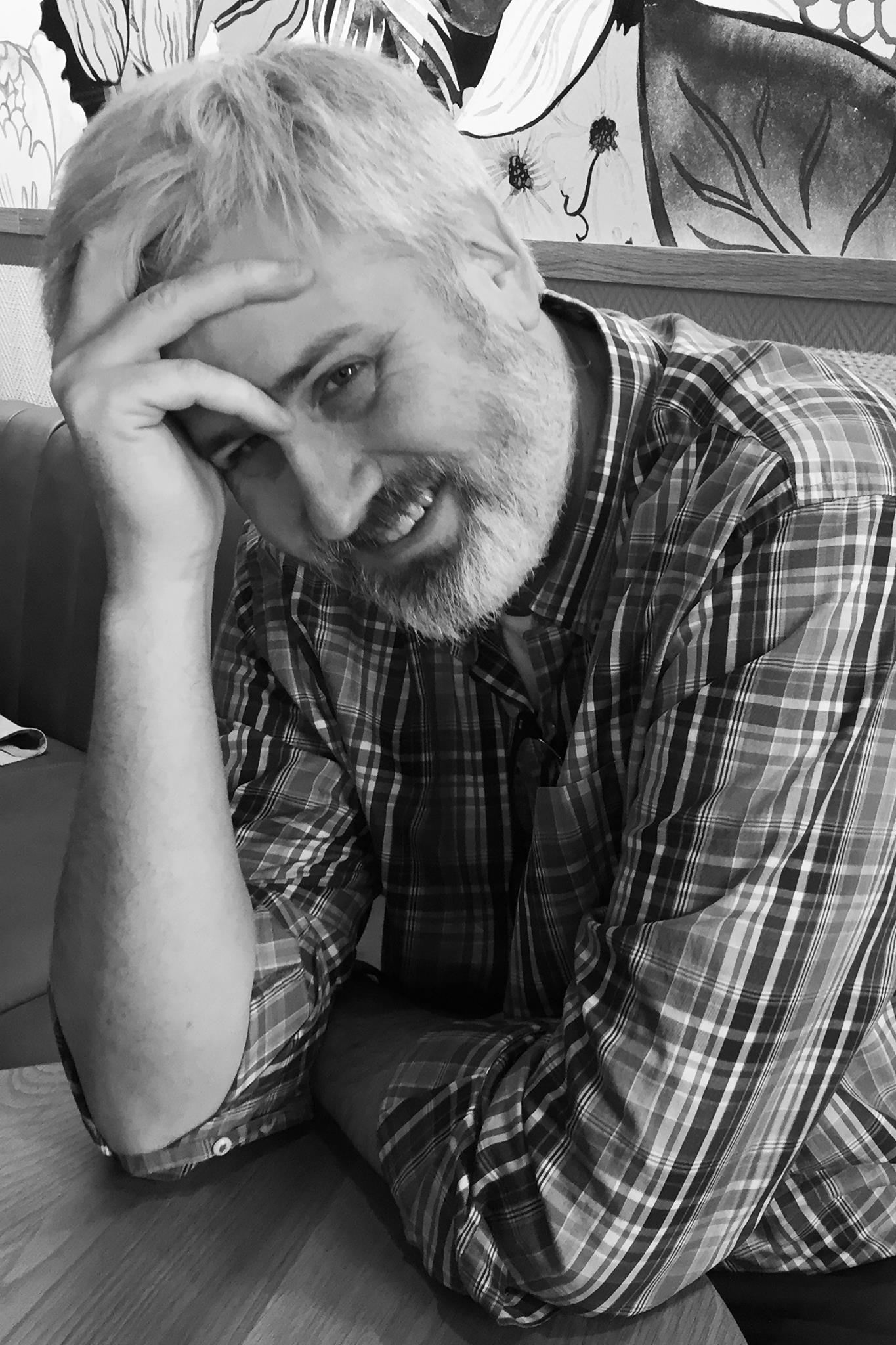
John Morris, M.F.A.
Associate Professor of Art: Photography & Foundations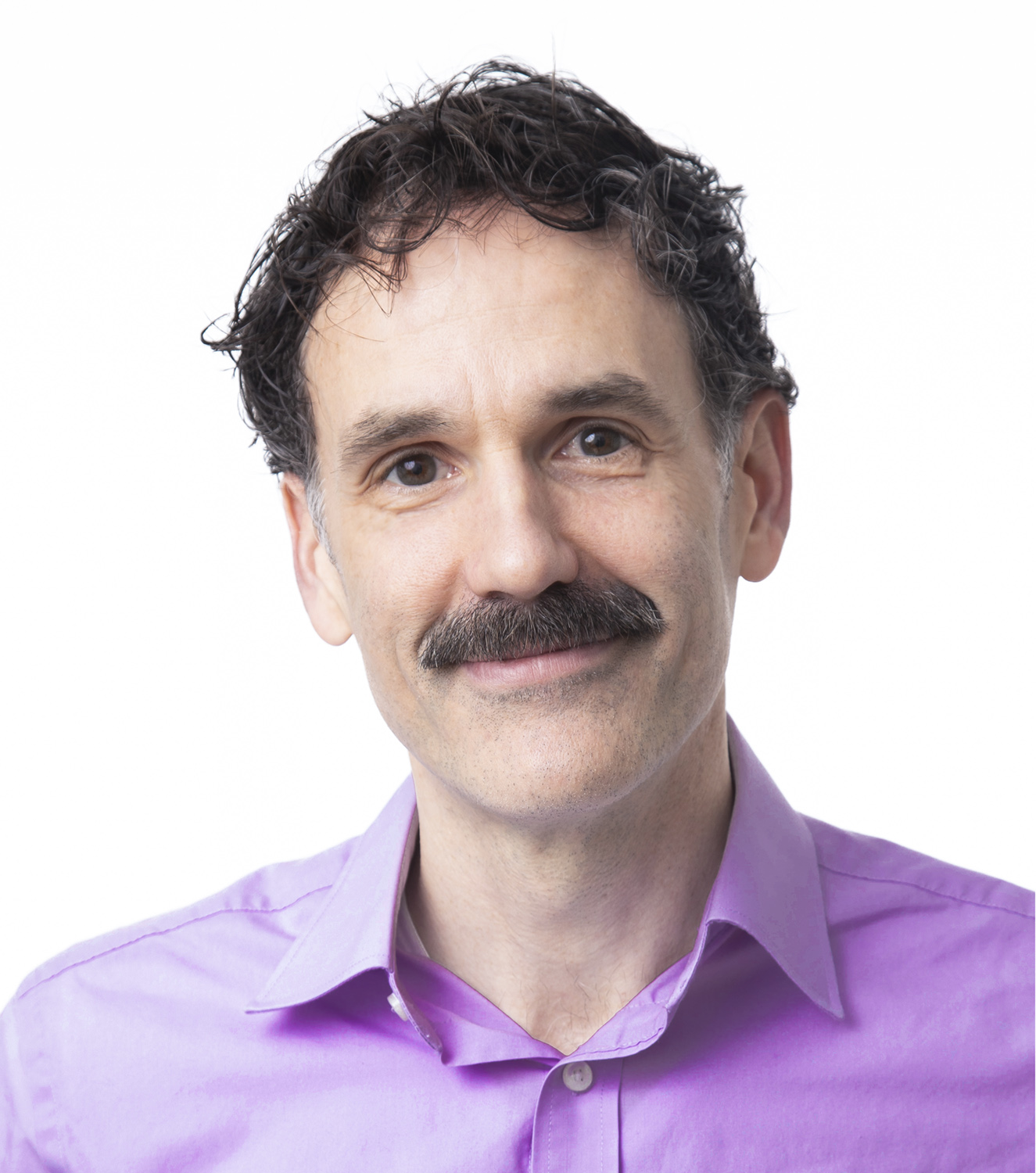
Nathan Rees, Ph.D.
Associate Professor of Art: Art History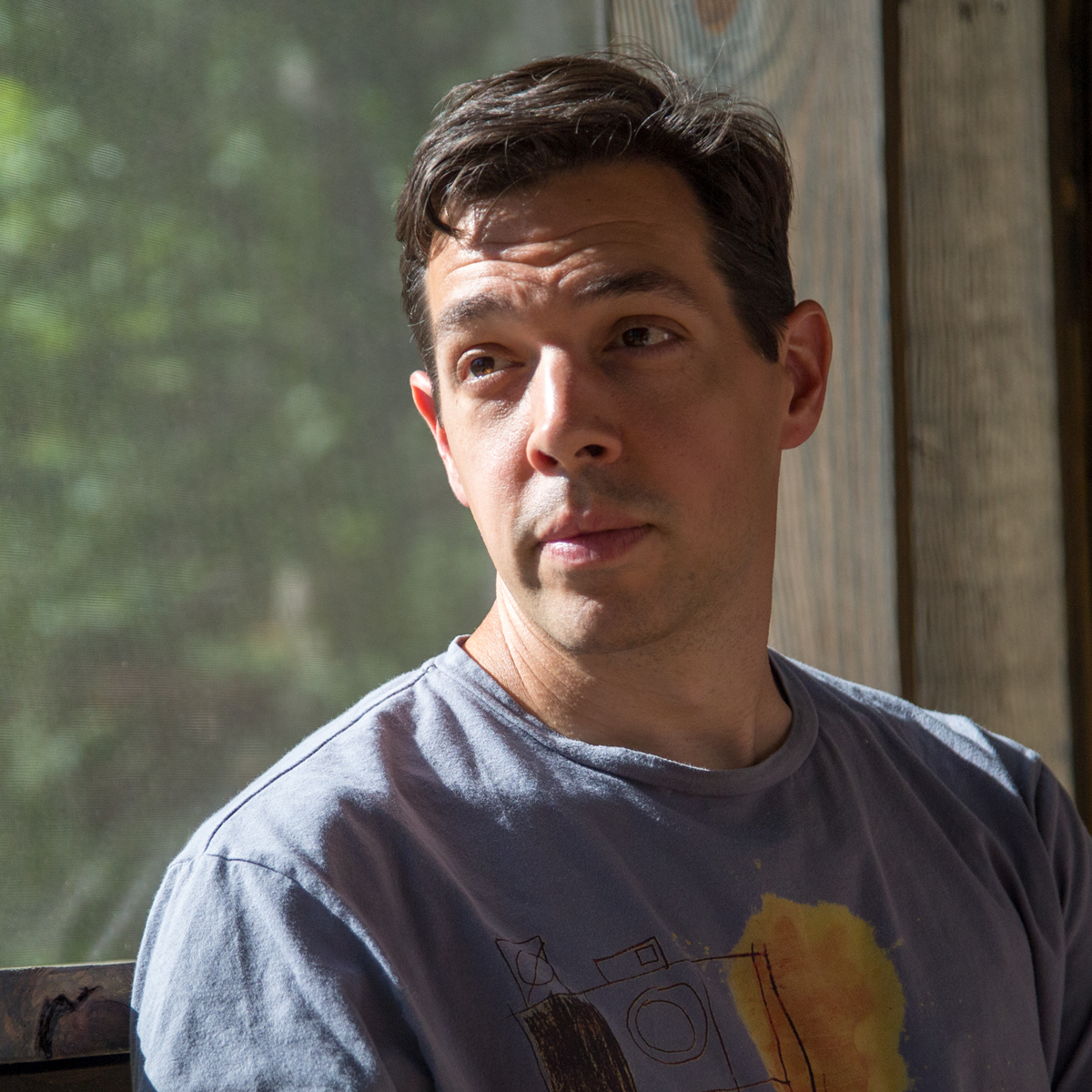
Mark Schoon, M.F.A.
Professor & Program Coordinator of Art: Photography & Foundations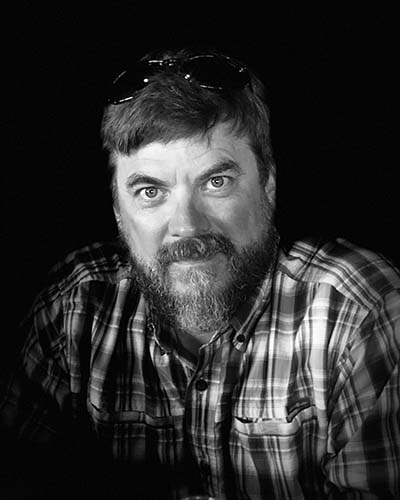
Kevin Shunn
Department Chair & Professor of Art: Sculpture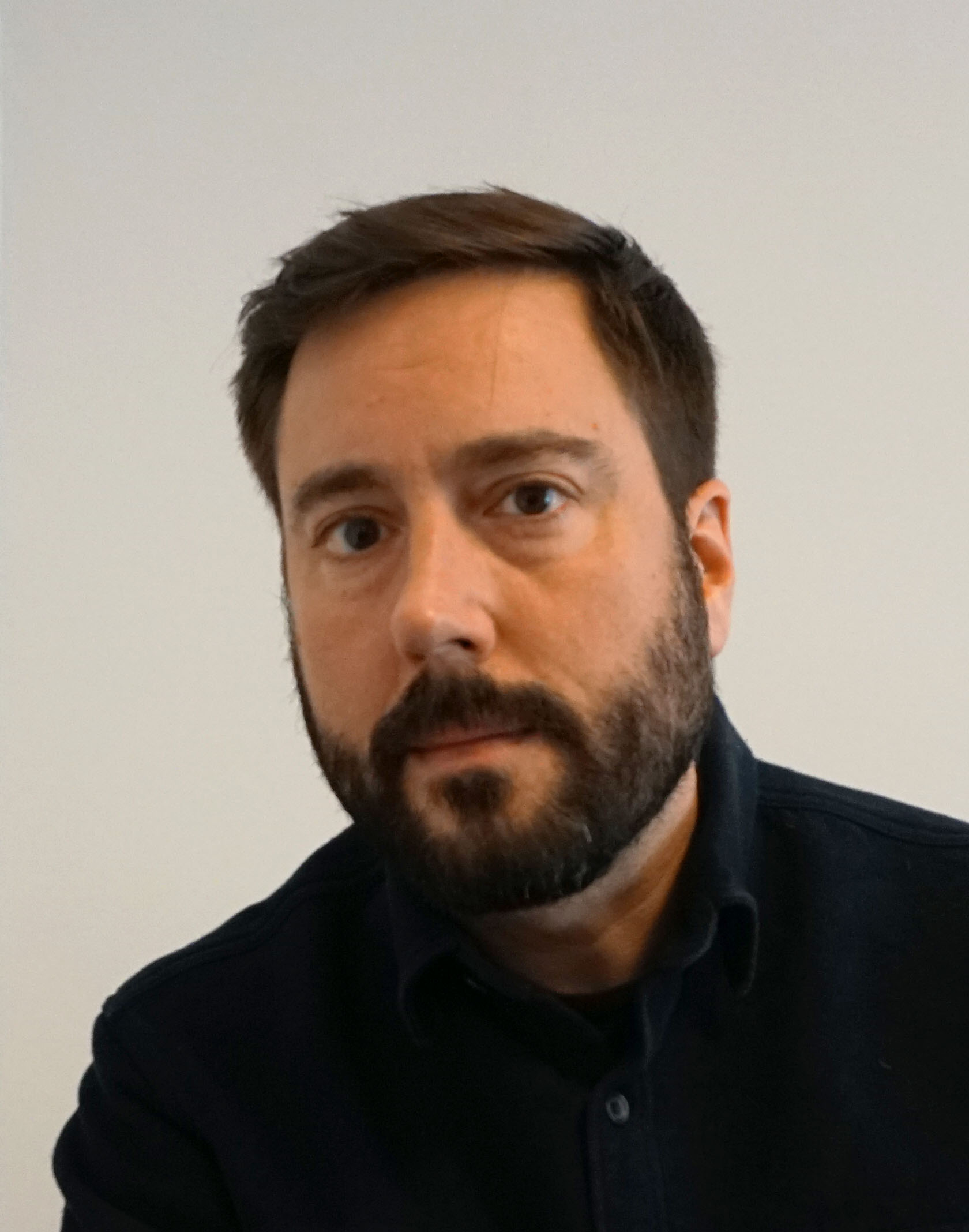
Jason Swift, Ed.D., M.F.A.
Associate Professor of Art: Art Education & Foundations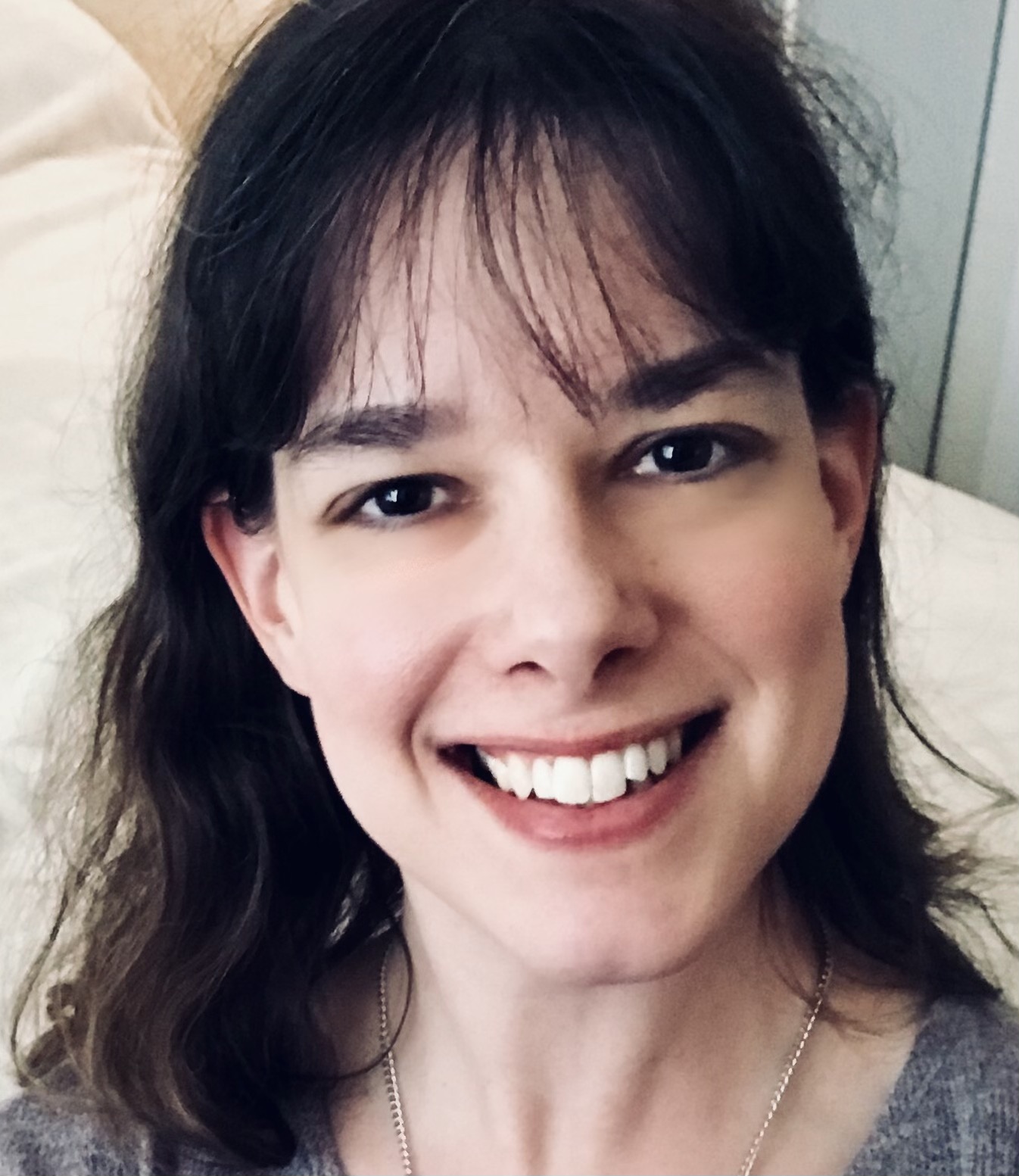
Laura Wolfe
Assistant Professor of Art: Art History & FoundationsGuidelines for Admittance
Specific dates for Admissions (Undergraduate only), Financial Aid, Fee Payments, Registration, Start/End of term, Final Exams, etc. are available in THE SCOOP.
Objectives not available