Honors College Peer Mentoring Program
The purpose of the Peer mentoring program is to help incoming students adjust to life at University of West Georgia and the Honors experience by enhancing group support and community within the Honors College.
Peer mentors are current upper division students in the Honors College that work with groups of 5-10 newly admitted Honors College students throughout the academic year.
In addition to small group meetings and events determined by the mentor/mentee groups, the Peer Mentors also work with the Honors Council, the student governing body of the Honors College to plan several large-scale meetings and community engagement events and help facilitate student involvement in these activities.
Peer Mentoring Leaders
| Peer Mentor | Peer Mentor Bio |
|---|---|
|
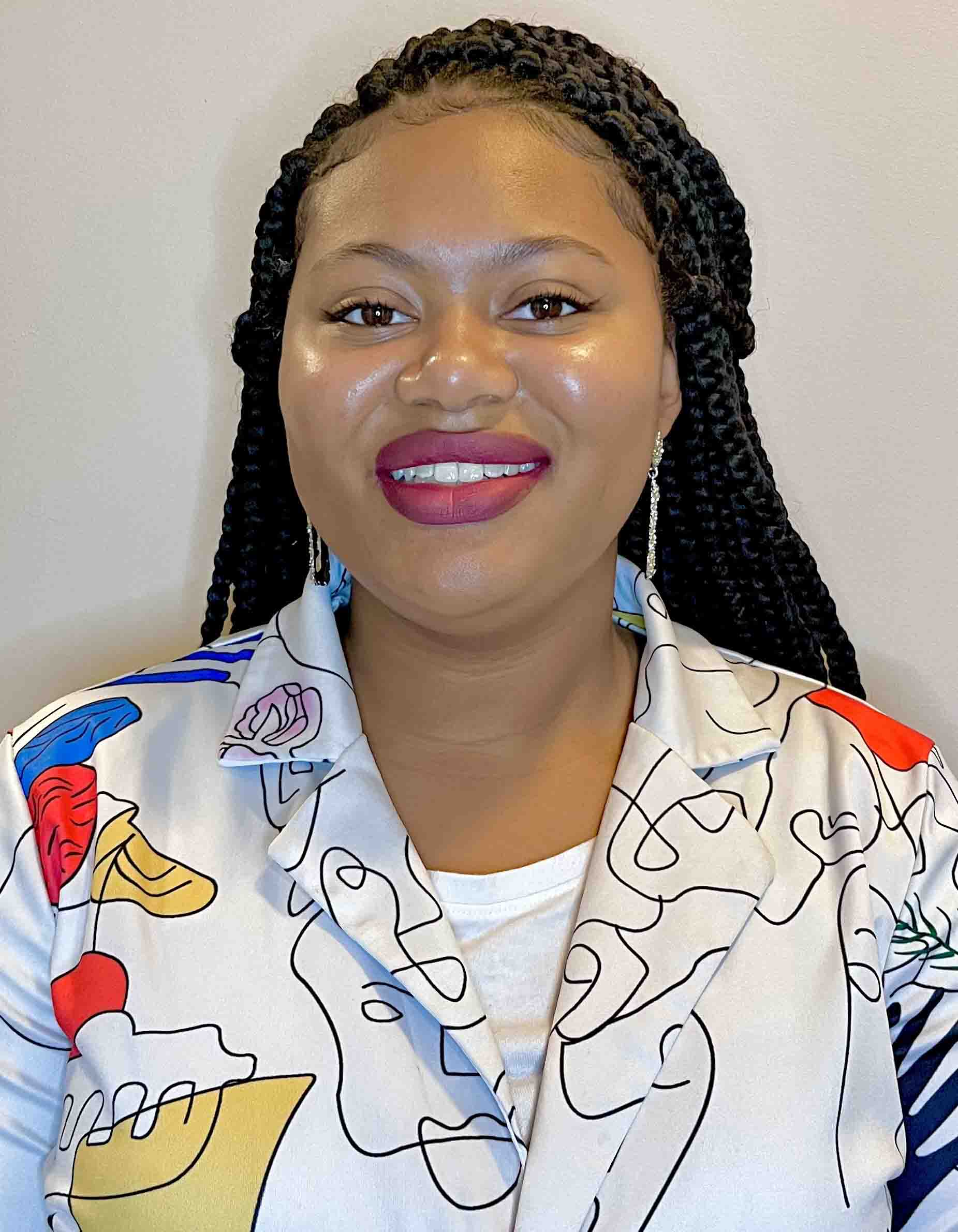
Neve’ah Able, |
Neve’Ah Able is a 19-year-old junior at the University of West Georgia, majoring in Psychology with minors in Sociology and Management. She enjoys cooking, walking, reading, binge-watching shows, and socializing with friends. As she prepares for the upcoming school year, her main goal is to focus on personal growth and becoming the best version of herself. |
|
Shanell Edie, |
Hi everyone! I’m Shanell Edie, an incoming sophomore at University of West Georgia majoring in Marketing with a minor in Film & Video Production. I’m excited to be an Honors Peer Mentor this year and can’t wait to meet you all! I’m passionate about branding, design, creative storytelling, and all things marketing. I know starting college can feel both exciting and overwhelming, so I hope to be someone you can feel comfortable with asking questions, sharing achievements, or even just talking to. I’m looking forward to supporting you and helping make your first year a great experience! |
|
Sarah Harper, |
Hi! My name is Sarah Harper. I am a junior accounting major here at UWG. I am so excited to serve as a peer mentor for the first time this year with the Honors College! I look forward to making new connections and helping the newest Honors College students find their place at UWG!! |
|
Natalie Hicks, |
Natalie Hicks is a sophomore majoring in Elementary Education. You can most likely find her reading, hanging with her friends, or searching for the cats around campus. She is excited to serve as a peer mentor this year and guide students through their experience at UWG. Go wolves! |
|
Kamia Howard, |
Kamia Howard is a junior at the University of West Georgia majoring in Psychology with a minor in Health and Community Wellness. She is passionate about helping others, promoting mental health awareness, and developing leadership skills through campus involvement. In her free time, she enjoys community service, spending time with family and friends, and exploring new opportunities for personal and professional growth. |
|
Katelyn Matuszyk, |
Hi! My name is Katelyn Matuszyk, and I am a student at the University of West Georgia pursuing a degree in nursing. I am actively involved on campus as a member of Phi Mu and serve as the President of Phi Eta Sigma National Honor Society. Through these organizations, I have developed strong leadership, communication, and mentorship skills while building meaningful connections with fellow students. As a member of the Honors College, I value academic excellence, personal growth, and community involvement. I am passionate about helping others succeed and creating a welcoming environment where students feel supported and encouraged. I am excited about the opportunity to serve as a Peer Mentor and help new Honors students navigate their college experience while making the most of the opportunities available to them. |
|
Aurora Senecal, |
My name is Aurora Senecal, I am a sophomore Music Education major at UWG, and I plan on teaching elementary school music. I enjoy hanging out with friends, making crafts, and drinking slushies! I'm looking forward to my first year as a peer mentor and can't wait to meet everyone! |
|
Kyndall Smith, |
Hi everyone! My name is Kyndall, and I am a sophomore Nursing major with plans to become a Labor and Delivery nurse. I am passionate about helping others and making a positive impact during some of life’s most meaningful moments. Outside of school, I enjoy traveling, trying new things, and making new memories. I am incredibly grateful for the opportunity to be part of the Honors College and excited to connect with others, grow through new experiences, and see what the future holds! |
|
Kayla Snyder, |
Hello! My name is Kayla Snyder and my major is Elementary Education. I am a Junior at the University of West Georgia and this will be my second year as a peer mentor! It has been an amazing, rewarding experience and I am so excited to meet my new mentees and support them throughout the year! Being in the Honors College has allowed me to make the most out of my college experience and meet so many people. I can't wait to help the freshman make their mark on campus! |
|
Hannah Timms, |
Hello everyone, my name is Hannah Timms, and I am a senior at UWG. I am majoring in Speech-Language Pathology and hope to one day work in a pediatric setting. At UWG, I am a part of the Blue Coats and work as a Peer Tutor for the Center for Academic Success. I am so excited to be an Honors College Peer Mentor and make your transition to college a little easier. |